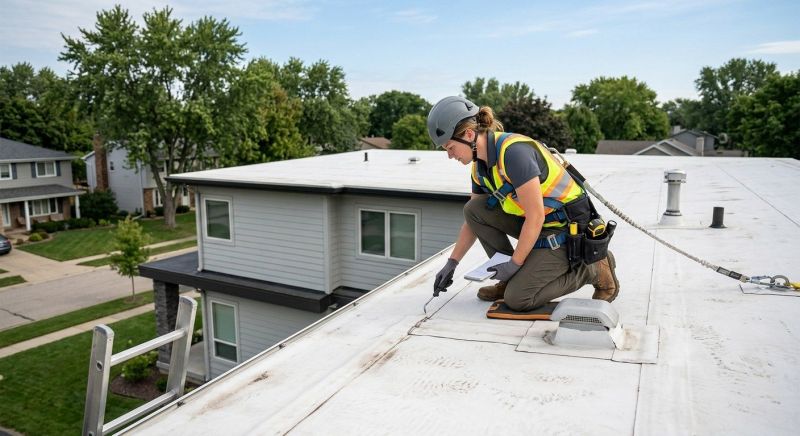
Rubber Roof Inspection Basics
Regular inspections help identify potential issues before they lead to costly repairs.
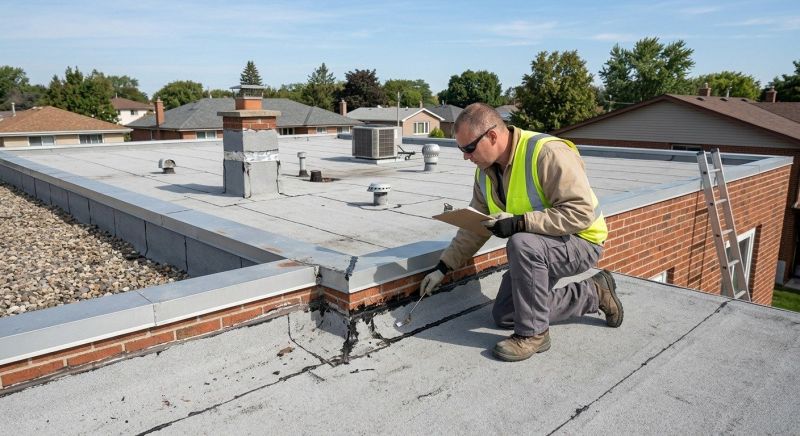
Signs Of Rubber Roof Damage
Look for cracks, blisters, or ponding water that may indicate underlying problems.
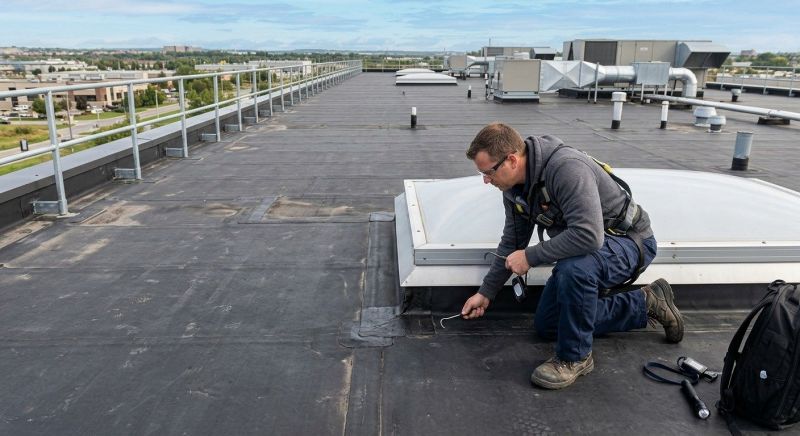
Benefits Of Professional Inspection
A thorough check can extend the lifespan of a rubber roof and maintain its performance.
Rubber Roof Inspection in Point Pleasant Beach, NJ
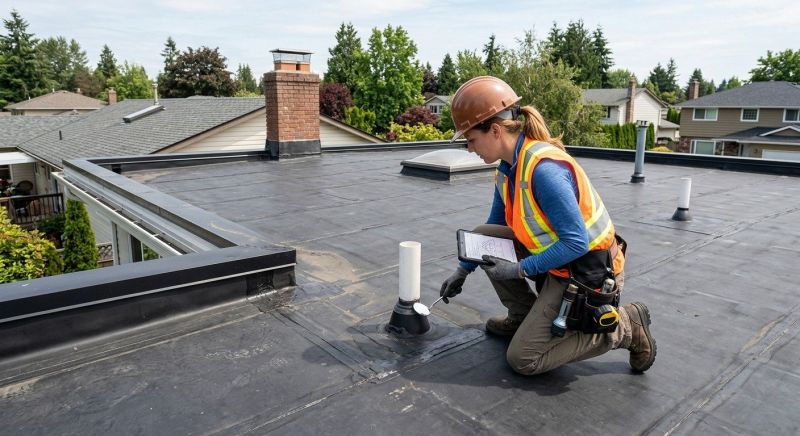
Rubber roof inspection services involve a thorough assessment of rubber roofing systems to identify potential issues such as cracks, punctures, or signs of wear that could compromise the roof’s integrity. These inspections typically cover residential flat roofs or low-slope roofs that utilize rubber membrane materials. Property owners often request inspections to ensure their roofs remain in good condition, prevent leaks, and extend the lifespan of their roofing systems. Before requesting an inspection, homeowners usually want to understand the current state of their roof, any areas of concern, and recommendations for maintenance or repairs to protect their property.
During a rubber roof inspection, trained professionals examine the entire roofing surface, paying close attention to seams, flashing, and areas prone to damage. They look for evidence of aging, weather-related wear, or damage from debris and foot traffic. Homeowners should be prepared to discuss any recent issues such as leaks, water stains, or unusual sounds that prompted the inspection. Understanding the scope of the inspection and what potential problems to look for can help property owners make informed decisions about necessary repairs or upkeep to maintain a durable and weather-resistant roof.
Many property owners in Point Pleasant Beach, NJ look into Rubber Roof Inspection for repairs, replacements, upgrades, and appearance-related improvements.
Common Rubber Roof Inspection Jobs
Rubber Roof Inspection - a thorough assessment of the roof’s surface to identify potential issues early.
Leak Detection - pinpointing areas where water may be infiltrating the roofing system.
Damage Assessment - evaluating the condition of rubber roofing materials after storms or heavy weather.
Wear and Tear Inspection - checking for cracks, tears, or other signs of aging that could compromise the roof’s integrity.
Maintenance Recommendations - guidance on necessary repairs or upkeep to extend the roof’s lifespan.
Pre-Weather Check - ensuring the roof is prepared to withstand upcoming seasonal changes and storms.
Rubber Roof Inspection Questions
What is involved in a rubber roof inspection? A rubber roof inspection includes checking for signs of damage, cracks, blisters, and pooling water to assess the roof's condition.
Why are regular inspections important for rubber roofs? Regular inspections help identify issues early, preventing costly repairs and extending the roof’s lifespan.
What signs indicate a rubber roof needs repairs? Visible cracks, tears, blistering, or water stains on the ceiling are common indicators that repairs may be necessary.
How often should a rubber roof be inspected? It is recommended to have a rubber roof inspected at least once a year or after severe weather events.
Request Rubber Roof Inspection in Point Pleasant Beach, NJ
Use the quote form on this page to share the basics of your project and request more information for the type of work you need.